


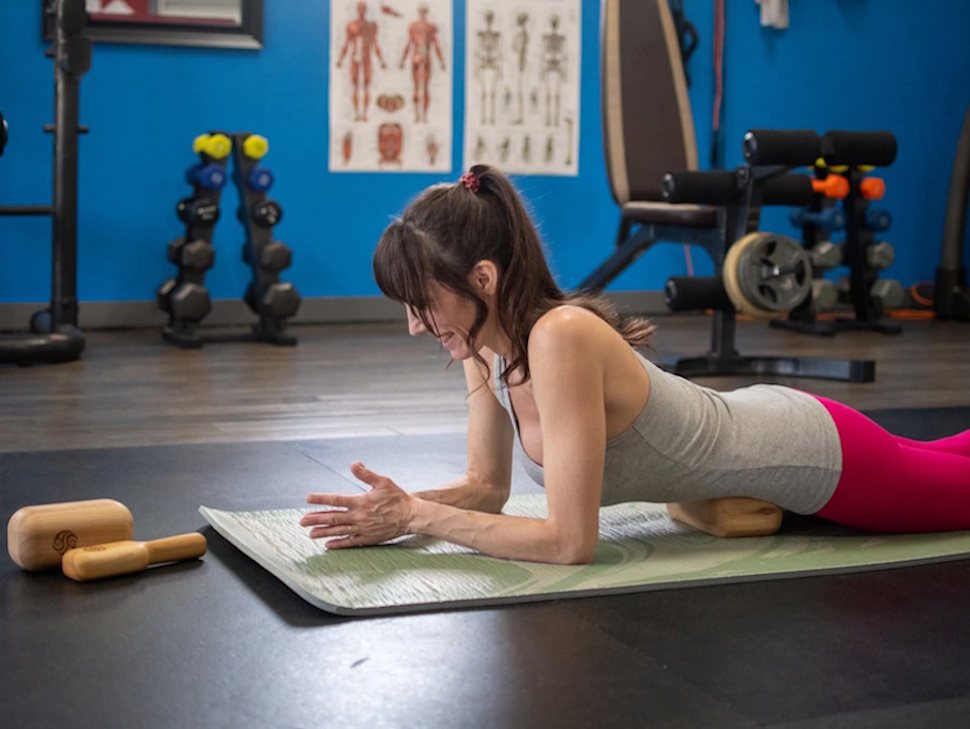
As the calendar edges further into the new year, many people who started January with ambitious health goals are already finding it harder to stay on track. Motivation can fade quickly once routines return and daily life gets busy, a reality local wellness coach Jennifer Kroeker says is more common than most realize.
Kroeker, who runs FitnesswithJen, describes her role as more than just a fitness instructor. She takes a holistic approach to health, combining movement, nutrition, mindset, and lifestyle habits. While many fitness businesses see a surge of new clients at the start of the year, Kroeker says she doesn’t notice a dramatic January rush, and that’s by design.
“I don’t really advertise that way because I know that anytime is a good time to start,” Kroeker says. “Some of my current clients tweak their goals, but a lot of them just want to continue. To me, that’s what it’s about: setting small goals, achieving them, and then going from there.”
Kroeker admits she’s not a big believer in traditional New Year’s resolutions.
“You should start whenever you feel like it. It’ll be more achievable, and you’ll feel better about yourself when you just start.”
Staying motivated throughout the year is one of the biggest challenges people face, especially with constant distractions pulling attention in every direction. To begin, Kroeker suggests removing a bad habit before adding a new one.
“Motivation is hard these days. That can actually be easier and still make you feel successful,” she explains.
She encourages people to aim small and build gradually rather than setting lofty goals that feel overwhelming.
“Don’t say you’re going to work out three times a week, start by setting it at one. When you achieve that, then add another. Make it reasonable. Consistency is key, because if you’re not consistent, you’re not going to feel the benefits.”
Movement doesn’t have to be complicated or time-consuming, especially for those without gym memberships or extra time in their day.
“It could be one minute, five minutes, or 10 minutes. Instead of scrolling on social media for half an hour, go for a five-minute walk, take the stairs, or stretch before lunch. Pick something you know you’ll actually do. People tend to pick things they don’t want to do, so they don’t. If you make it realistic and fitting into your day, you’re much more likely to get it done.”

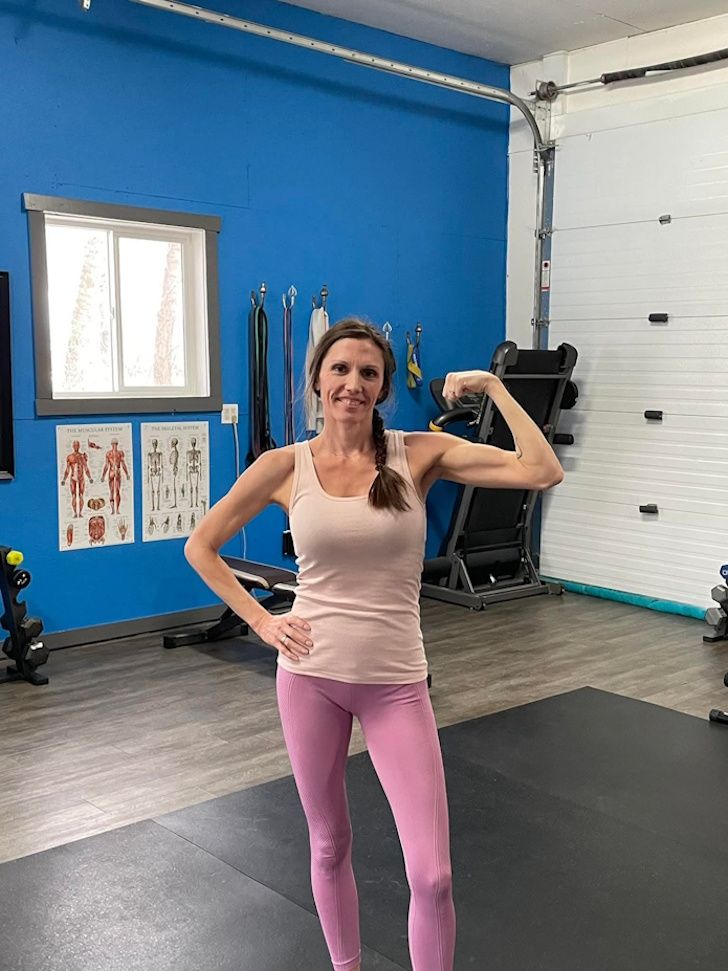
Nutrition, she adds, is just as important as movement.
“What you put in your body is what you get out of it. If you’re fueling your body with junk, you probably won’t feel good enough to move.”
Rather than following trendy diets, she encourages eating foods as close to their natural state as possible.
“If you eat a whole apple, you’re getting everything your body needs from it. Your body was made to work with whole foods, not things that have been picked apart,” she stresses.
When measuring progress, Kroeker advises looking beyond the number on the scale.
“How your clothes feel, your energy levels, and how your body feels day to day are better indicators. Even things like headaches, digestion, or stiffness can tell you a lot about how your body is doing.”
For those who fall off track, self-compassion is key.
“Don’t beat yourself up, just start again. It’s not a failure, it’s just a blip in time, and every time you start again is a success.”
Ultimately, Kroeker encourages people to stop thinking in terms of resolutions and start thinking long-term.
“Stop making it a resolution and start making it a lifestyle. Health is really the only thing we truly own. It’s not about what you look like, it’s about how you feel and what you want your future to look like.”
In her view, those future-focused goals are what matter most.
“I want to be able to play with my kids and my grandkids someday. Those are the kinds of goals that make a healthy lifestyle worth sticking to.”
link