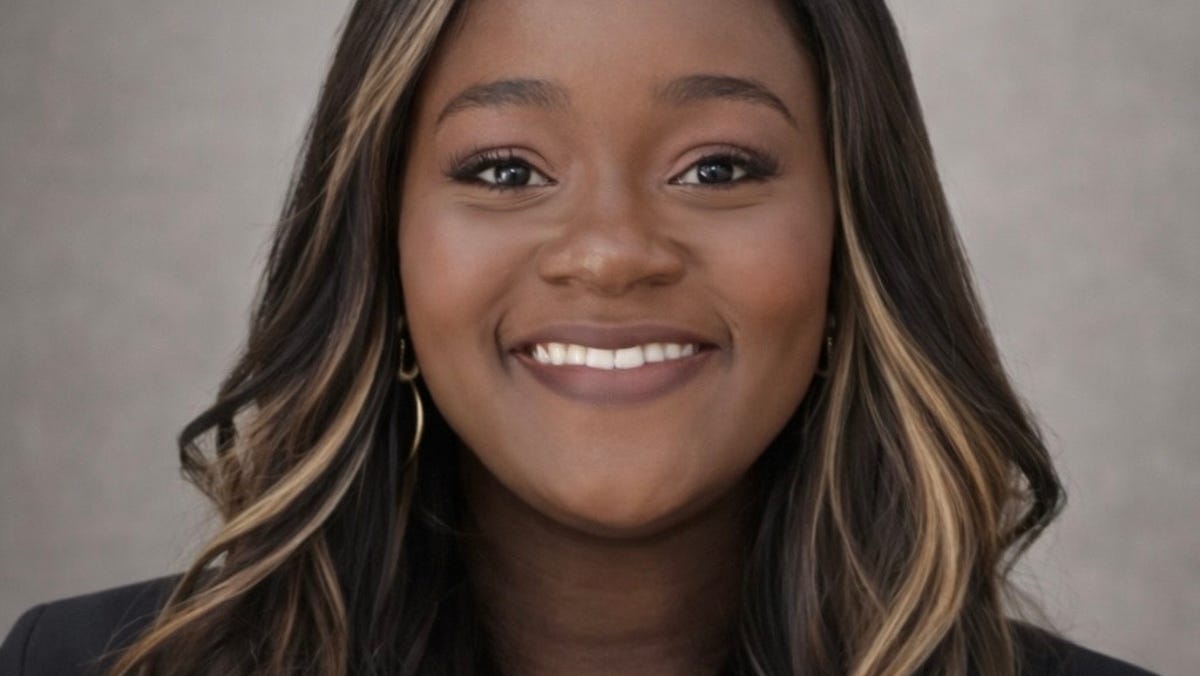
Pregnant Woman, 35, Diagnosed With Rare Cancer After Routine Prenatal Test
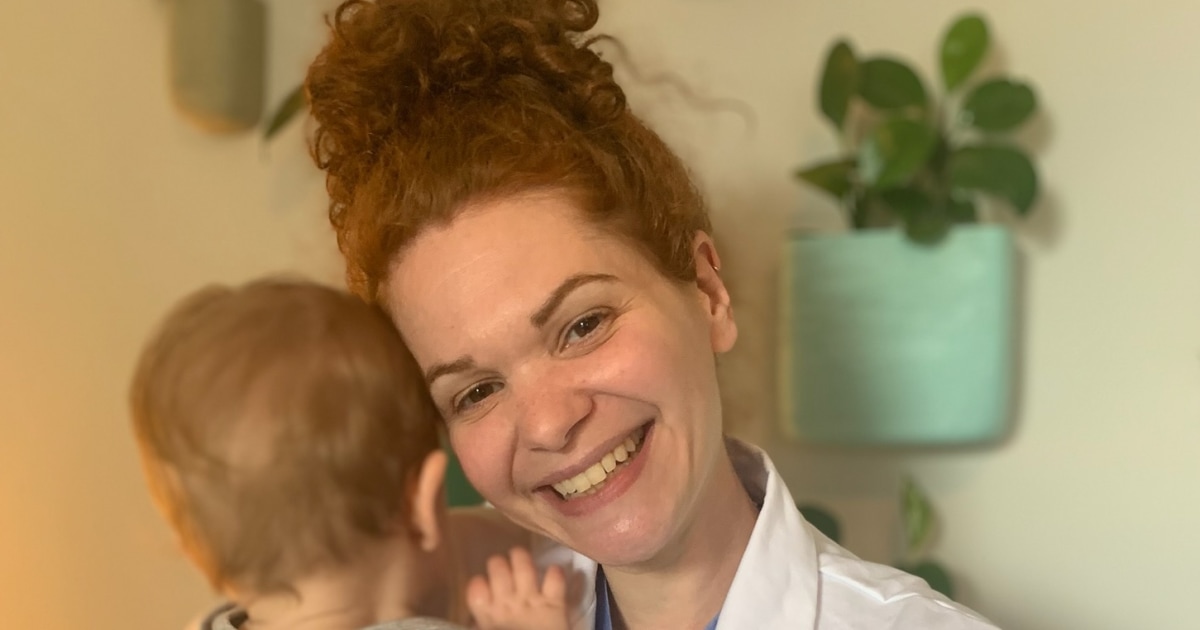
Dr. Sara Teichholtz, a psychiatrist in Washington, D.C., was early in her pregnancy when she took a routine prenatal test to check for chromosomal abnormalities in her developing baby.
So, Teichholtz, 35 at the time, was surprised to get results suggesting there could be something very serious going on with her own body.
The test, a cell-free DNA test, uses a sample of the mother’s blood to screen for certain conditions in the developing fetus that are caused by chromosomal abnormalities. It’s now a standard part of care for certain high-risk groups of pregnant people, including those ages 35 and older.
“All of my routine labs, anything that a doctor would test normally during pregnancy or a general physical, all of that was perfect,” Teichholtz, now 38, tells TODAY.com.
But because the test result she received, listed as “not reportable,” may sometimes indicate the presence of cancer, she was enrolled in a clinical trial at the National Institutes of Health that gave her access to a full-body MRI scan.
“The MRI found a giant tumor in my liver,” she says. “That was the beginning of what turned out to be the early stages of a very rare and aggressive cancer.”

A Rare Cancer With Few Early Symptoms
At first, doctors told Teichholtz that her cancer was likely advanced, but they weren’t sure where in her body it had started. But she was ultimately diagnosed with cholangiocarcinoma, a type of cancer affecting the bile ducts.
There are different types of bile duct cancer categorized based on where they appear, whether that’s in the bile ducts inside liver, in the gallbladder or in the bile duct system outside of the liver, Dr. James Harding, a gastrointestinal medical oncologist at Memorial Sloan Kettering Cancer Center, tells TODAY.com
While all categories of bile duct cancer are considered uncommon in the U.S., Teichholtz was diagnosed with cancer in the bile ducts within liver, which is “the least common of all of those subtypes,” explains Harding, who is Teichholtz’s doctor.
And this type of cancer is notoriously difficult to detect in its early stages. Unlike breast or colon cancer, “for biliary tract cancer, we don’t have an early detection strategy,” Harding says. That’s why many people with bile duct cancer are diagnosed in later stages of the disease when surgery isn’t possible, he explains.
Had Teichholtz disregarded her prenatal test results and not gotten additional testing, “it’s possible we would not have diagnosed the cancer until later,” Harding says. “So it’s really an amazing story.”
It’s important to note that it’s not clear exactly what a “non-reportable” result actually means on a prenatal test, Harding says, and research into the potential use of these tests in detecting cancer is ongoing.
Research from the clinical trial Teichholtz was a part of, published last year in the New England Journal of Medicine, found that 52 of 107 participants who’d received non-reportable results on this prenatal test had an undiagnosed cancer.
And Teichholtz is an author (alongside Harding) on her own case study in using the results to find her cancer.
Innovative Treatment Leads to Difficult Choice
Teichholtz, who was about 15 weeks pregnant at the time, met quickly with oncologists and a surgeon who discussed treatment options with her.
“They offered me some very cutting-edge, experimental options that were looking like they had good results,” she recalls. “Unfortunately, they could not proceed while I was pregnant.”
A week later, she made the difficult choice to end her pregnancy.
In making the decision, Teichholtz and her husband sought council from their Rabbi. And, knowing that they had another child, who was 2 at the time, “the most important thing was to keep me around with him as long as possible,” she says. “In Judaism, it is not only allowed, but some would say required to have a termination in this kind of situation to protect the mother’s life.”
The experience, while challenging, made her more passionate about protecting reproductive rights, Teichholtz says, especially because stories like hers are often left out of political debates.
“It was very difficult to know that if I was in a different state, if I was in a different scenario, if I didn’t have the financial resources, or health literacy, that I wouldn’t have that option,” she says.
Once she was able, Teichholtz underwent surgery to remove part of her liver where the main tumor was located. Surgeons also removed her gallbladder and some nearby lymph nodes, she says, and they installed a hepatic pump that allows doctors to deliver high doses of chemotherapy drugs directly into the liver.
Doctors also learned that her tumor has a recently discovered biomarker that can be targeted by certain immunotherapy drugs.

Strength in Community
She ended up going through six months of chemotherapy and two years of immunotherapy, Teichholtz says, and the side effects “humbled” her. Teichholtz had to stop working, and her parents took turns with her husband’s parents in assisting with her son “because I was pretty nonfunctional,” she recalls.
While she did keep most of her hair, fatigue, loss of appetite, nausea and nerve pain all took their toll. “And my bone marrow started to suffer, which is eventually what determined how long I stayed on chemotherapy,” she explains.
During those challenging days, Teichholtz leaned on her friends from college who arranged a meal train and sent her all kinds of helpful items. “I even had friends making Excel spreadsheets of what TV was good, which I have shared with other cancer patients,” she says.
And, as a medical professional herself, she’s made connections with researchers, the Cholangiocarcinoma Foundation and other patients with similar diagnoses. In particular, she remembers Jonah Gruda, who passed away earlier this year due to complications from his cancer. There is a fundraiser for cholangiocarcinoma research in his honor.
Today, Teichholtz just had her two-and-a-half year checkup and is “feeling great,” she says. She’s currently cancer-free, and her doctors are watching carefully. However, bile duct cancer has a high rate of recurrence, Harding says, “so I don’t think we’re fully out of the woods.”
Back to working full-time as a psychiatrist, Teichholtz hopes to specialize in working with cancer patients and those at the end of their lives — especially with her new perspective on life with a serious illness.
She hopes others consider participating in clinical trial research like she did, and wants her story to be an example of the power of innovations that come from funding cancer research.
And, more than anything, she’s feeling grateful right now.
Looking back, “I really mourned the diagnosis, because I thought, either I’m going to die, or if I live, my life will never be the same,” she says. “I wish I could have told myself that there will be so much beauty in this. … My life has changed so much, but it’s also changed so much for the better.”
link